
What Fitting Do I Need to Connect PVC to Copper?
What Fitting Do I Need to Connect PVC to Copper?
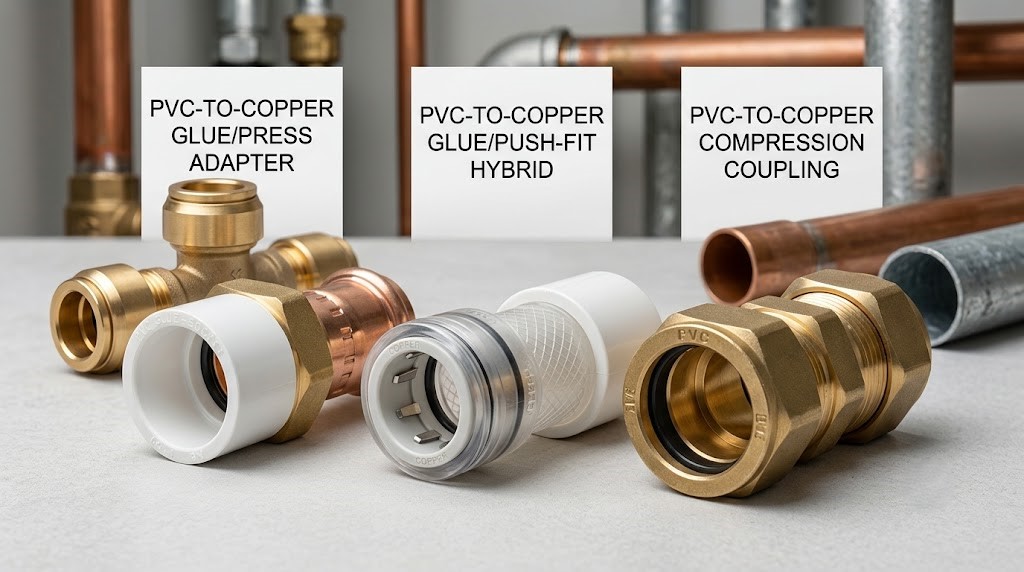
So, you’re trying to connect PVC pipe to copper, huh? It’s a pretty common issue whether you’re tackling a home project or working on something bigger. The catch is, since PVC and copper are made from different materials, you can’t just throw them together with glue or solder them up directly. But don’t worry, there are some handy fittings out there that make this transition smooth and safe.
## Can You Connect PVC Directly to Copper?
Short answer: Nope. You need a transition fitting to bridge the gap between PVC and copper. PVC pipes usually connect with solvent cement, while copper pipes are more about soldering, compression, or those nifty push-to-connect fittings.
Using the right adapter? Super important! It’ll help you avoid leaks, corrosion, and any premature issues down the line.
## Common Fittings Used to Connect PVC to Copper
### Male Adapter and Female Adapter
One of the simplest ways to connect these two materials is through threaded adapters.
You’ve got a PVC male adapter that can thread into a brass or copper female fitting. Or, if you flip it around, a PVC female adapter can connect to a male-threaded copper fitting. This is often the go-to option, especially if you already have threaded connections in your plumbing.
### Brass Transition Fittings
Now, brass fittings are a solid choice for transitioning between copper and PVC. They’re tough and work well with both materials.
Here’s a quick list of common brass transition fittings:
* Male adapters
* Female adapters
* Couplings
* Unions
* Reducing adapters
Brass fittings help create a strong, long-lasting connection, which is crucial when you’re dealing with different types of pipes.
### Compression Fittings
If soldering isn’t your thing, or you just want to keep it simple, compression fittings are the way to go. They seal by compressing a ferrule around the pipe, making them ideal for repairs or retrofitting.
### Push-to-Connect Fittings
These have really taken off lately! Push-to-connect fittings are super popular because they make life easier—no soldering, threading, or fancy tools needed. They can connect:
* Copper pipe
* PVC pipe
* CPVC pipe
* PEX pipe
Perfect for quick fixes or new installs!
## Things to Consider Before Connecting PVC to Copper
### Pipe Size
First thing’s first—check the pipe size before you buy any fittings.
Common sizes you might encounter are:
* 1/2 inch
* 3/4 inch
* 1 inch
* 1-1/4 inch
* 1-1/2 inch
* 2 inch
Getting the wrong size? That’s a classic project delay right there.
### Pressure Requirements
Different plumbing systems handle different pressures. Make sure the fitting you choose can handle the kind of pressure you’ll be working with. Is it for:
* Residential water supply
* Commercial plumbing
* Irrigation
* Industrial piping?
### Indoor vs Outdoor Use
Don’t forget about the environment! Where you’re planning to install the fittings can really affect what materials you should use. Sunlight, moisture, temperature changes—these all matter.
## When Should You Use a Brass Adapter?
Honestly, brass adapters are often the go-to when connecting PVC to copper. Why? Well, they’re durable, resist corrosion, create reliable threaded connections, and are compatible with various pipe materials.
For many pros out there, a brass transition fitting is just the most dependable option in the long run.
## Finding the Right PVC-to-Copper Fitting
Picking the right fitting really boils down to a few key factors:
* Pipe size
* Connection type
* Pressure requirements
* Installation method
Whether you’re repairing something, remodeling, or starting fresh, choosing the right transition fitting is crucial. It’ll help prevent leaks and ensure everything works smoothly over time.
At PlumbFounded, we’ve got a ton of brass fittings, adapters, couplings, reducers, and all sorts of specialty plumbing fittings to help you connect PVC and copper piping systems confidently.
Need a hand finding what you need? Just dive into our extensive inventory of plumbing fittings or search by part number to get exactly what your project calls for.