
The Complete Homeowner Guide to Sump Pumps: Installation, Care & When to Replace
The Complete Homeowner Guide to Sump Pumps: Installation, Care & When to Replace
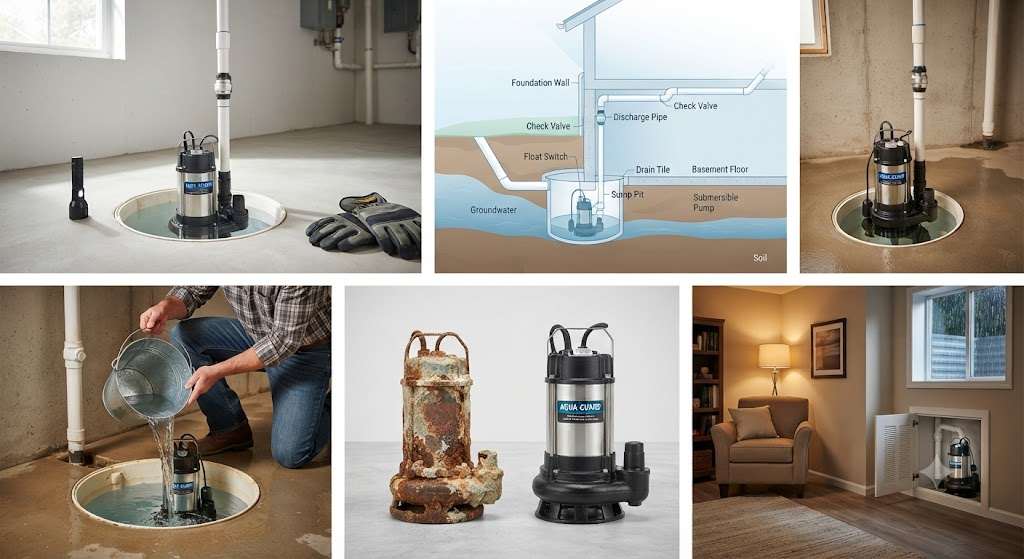
You know, a sump pump might just be one of the most crucial but often overlooked defenses against basement flooding in your home. Seriously, whether you’re in a rainy area, close to a high water table, or living in an older house, having a sump pump that works well can really save you from a ton of water damage. If you get how it functions, how to take care of it, and when to swap it out, you’ll keep your home nice and dry all year long.
So, here’s the deal: a sump pump is usually tucked away in a basin, which is often called a “sump pit.” This pit is located at the lowest spot in your basement. When groundwater starts to rise or if there’s a heavy downpour pushing water toward your foundation, the pit will fill up. That’s when the pump kicks in and safely pumps the water out of your home. If you’re thinking about installing one, pick a spot that has good drainage and easy access to an exterior discharge line. Most of the newer models are pretty much plug-and-play: just secure the unit in the pit, connect the discharge pipe, add a check valve, and plug it in. Easy peasy!
Now, let’s talk maintenance. It’s not complicated, but it’s super important. You should test your sump pump every few months. Just pour a bucket of water into the pit to see if the float switch activates. And don’t forget to clean out any debris from the basin, check the discharge pipe for clogs, and make sure the check valve is working properly so that the water only flows in one direction. Oh, and during storm season, having a backup power source—like a battery backup pump—is a lifesaver if the power goes out when it’s pouring rain.
Most sump pumps have a lifespan of about 7 to 10 years. If you notice yours is constantly cycling, making weird grinding sounds, vibrating a lot, or just doesn’t turn on when it should, then it might be time for a replacement. Trust me, ignoring these signs could lead to all sorts of trouble like basement flooding, mold, or even structural damage.
In short, a reliable sump pump is key to protecting your home from the ground up.
If you’re looking for sump pumps, check valves, discharge fittings, or any installation supplies, check out PlumbFounded.com or give them a call at 800-716-8820 to get started.