
How to Fix a Leaking Pipe Joint Without Replacing Everything
How to Fix a Leaking Pipe Joint Without Replacing Everything
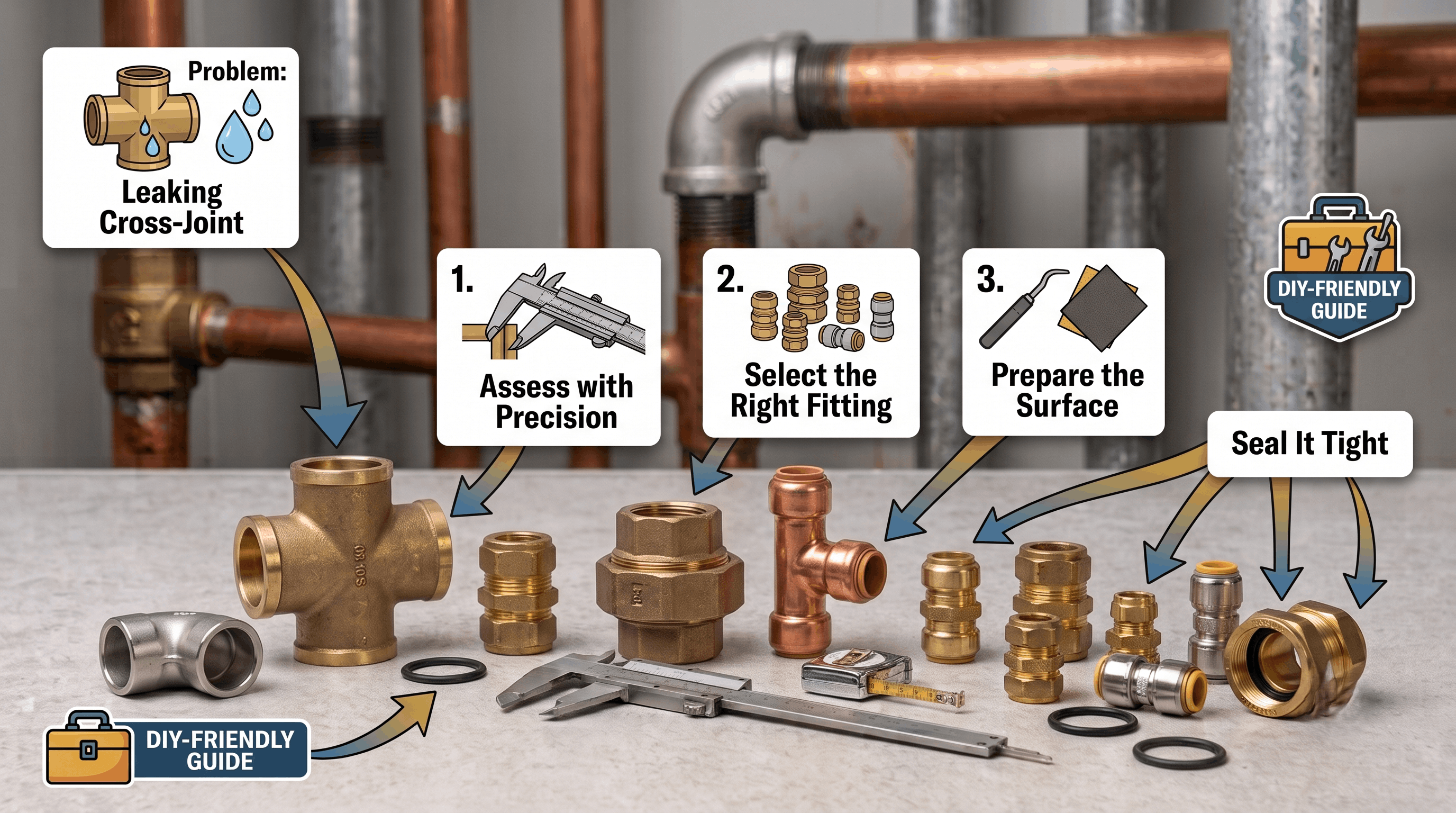
A leaking joint can really escalate into a bigger headache pretty quickly, but hey, that doesn’t mean you have to replace the whole line right away. So, if you’re looking to tackle that leak in your pipe joint, the first thing you want to do is figure out what’s causing it. Most leaks tend to spring up at the connection point. This can happen due to worn threads, loose fittings, damaged seals, or even corrosion that builds up over time. Plus, changes in temperature and water pressure can really weaken those joints, especially if the plumbing is older.
First things first, you need to shut off the water supply and dry the area really well. This helps you see exactly where the leak is coming from. If it’s a small leak and it’s from a threaded joint, you can give the fitting a gentle tighten with a wrench—but hey, don’t overdo it! Too much tightening can crack the fitting or mess up the threads, which just makes things worse. If tightening doesn’t do the trick, you’ll want to carefully take off the fitting and check the threads for any wear, debris, or damage.
In a lot of cases, just adding some fresh thread seal tape (you know, that Teflon tape) or pipe dope can do the job. Just make sure the threads are clean before you apply the sealant, and wrap that tape in the right direction so it doesn’t come undone while you’re working. Once you’ve put everything back together, turn the water back on and check for leaks.
Now, if you’re in a pinch, products like pipe repair tape, silicone tape, or epoxy putty can be lifesavers for sealing up small leaks. These are especially handy in emergency situations when you need to stop water from flowing right away. Just remember, these fixes are temporary—don’t rely on them for the long haul!
If you find that the fitting is cracked, heavily corroded, or just doesn’t match up well with the pipe, it’s usually best to replace just that section. This is where it gets important to choose the right fitting. Always make sure the size, material, and thread type match up perfectly. Even a tiny mismatch can lead to leaks popping up again.
For those tricky repairs, especially in tight spots, compression fittings or push-to-connect fittings can be a real game changer. They’re super easy to install without needing to solder or any fancy tools, which is great for homeowners or quick job-site fixes.
Don’t forget to check the other connections, too. Sometimes what seems like a single leak might actually be a sign of a bigger issue, like pressure buildup or wear and tear in the system. Spending a few extra minutes checking nearby joints can save you a lot of trouble down the road.
So, really, it’s all about knowing when a quick fix will do and when it’s time for a replacement. Catching the issue early can prevent further damage, protect your property, and keep your plumbing running smoothly.
For reliable products, why not check out PlumbFounded.com or give us a call at 800-716-8820? Happy fixing!